
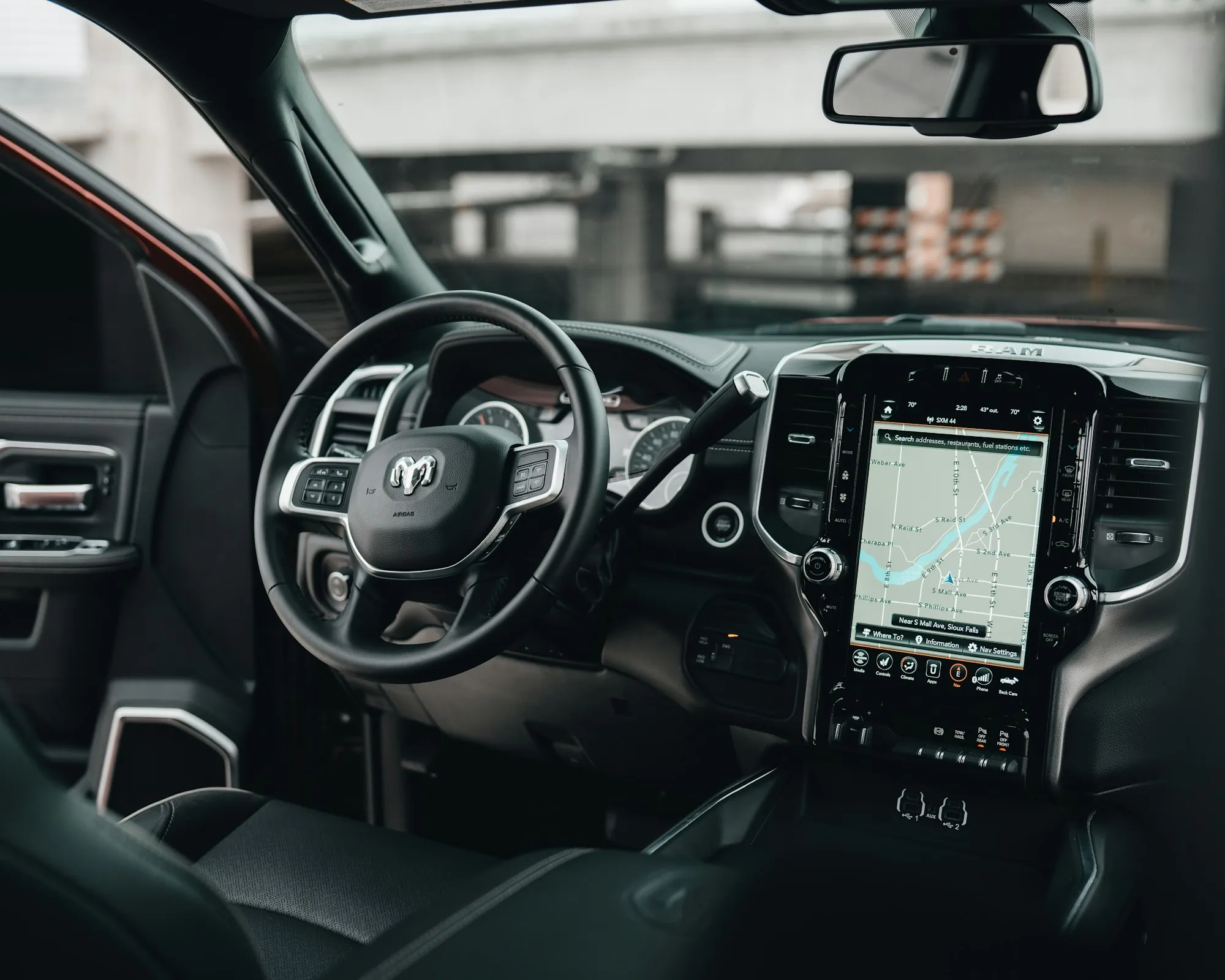
Sensors & cameras
ADAS Calibration in Fairview for Cameras, Radar and Sensors
A new windshield or bumper can leave your lane camera or radar aimed a hair off. We check it, aim it and show you the results.
Ask whether your car needs calibration: (000) 000-0000Why Aim Matters on a Modern Car
Many cars now watch the road with a camera behind the windshield, radar behind the grille and sensors tucked into the bumpers. Those parts read the world from a precise angle, and a repair that shifts them even slightly can change how lane keeping, adaptive cruise or automatic braking behave. Calibration restores that aim to the manufacturer's spec using targets, scan tools and test drives. We often hear from Fairview drivers who had glass replaced or a bumper fixed and then noticed a dash light, or a steering nudge on US 75 that felt off. If you're unsure, a phone conversation and the year, make and model are usually enough for us to say whether calibration is likely. The final answer comes from a scan in person, and we'll fit that visit around your day as best we can.
Calibration Tasks We Cover
Every vehicle has its own list. These are the pieces that commonly appear on a calibration order.
Pre-calibration scan
We read stored codes first so we know which systems are reporting faults and which are simply waiting to be aimed.
Lining up the lane camera
The windshield camera is aimed against printed targets placed at measured distances, following the procedure for your make and model.
Front radar leveling
Radar units behind the grille or bumper are leveled and aimed so adaptive cruise and collision alerts read the lane correctly.
Corner radar and parking sensors
Blind-spot radar and parking sensors get checked after bumper or quarter panel work, since even a new bracket can tilt them.
Bird's-eye camera stitching
Cameras in the mirrors, grille and tailgate are calibrated together so the overhead view stitches into one clean picture.
Ride height and tire pressure
Uneven tire pressure or sagging suspension can skew results, so we confirm those basics before any target goes up.
Drive-cycle confirmation
Some systems need a dynamic calibration on real roads, so a technician completes the drive cycle the manufacturer calls for.
Printed results for your file
You get a report showing what was calibrated, which is handy for your insurer and your own records.
What Happens at a Calibration Appointment
- 01
Tell us about the car
Start with a call and share the vehicle details plus whatever work was done recently. We'll look up what the manufacturer requires for that model. If calibration looks likely, we pick a drop-off time together, and if it doesn't, we'll tell you that too.
- 02
Scan, set up and aim
The car comes into a level bay where we scan it and confirm tire pressure and ride height. Targets go up at the exact spacing the procedure lists. Each sensor is aimed and confirmed by the scan tool before we move on to the next one.
- 03
Verify and walk you through it
A technician drives the car to confirm the systems engage the way they should. Any lingering codes are cleared and the report is printed. When you come for the car, we go over what was done in plain language so nothing feels like a mystery.
Reasons Drivers Bring Us Their Sensor Work
Calibration fits into the repair
When we handle the bumper or glass, the calibration is part of the same visit. You aren't shuttling the car to a second location.
Straight answers on the phone
Not every repair triggers calibration, and we'll say so when yours doesn't. That keeps unnecessary visits off your calendar.
Paperwork your insurer can use
The printed report spells out each system that was aimed. If the calibration is part of a claim, that documentation helps it move along.
New Glass, New Bumper, New Questions?
If something about your driver-assist features feels different, it's worth looking at before you put up with it for another month. Give us the vehicle details and we'll tell you the likely next step.
Talk about your car's sensors at (000) 000-0000